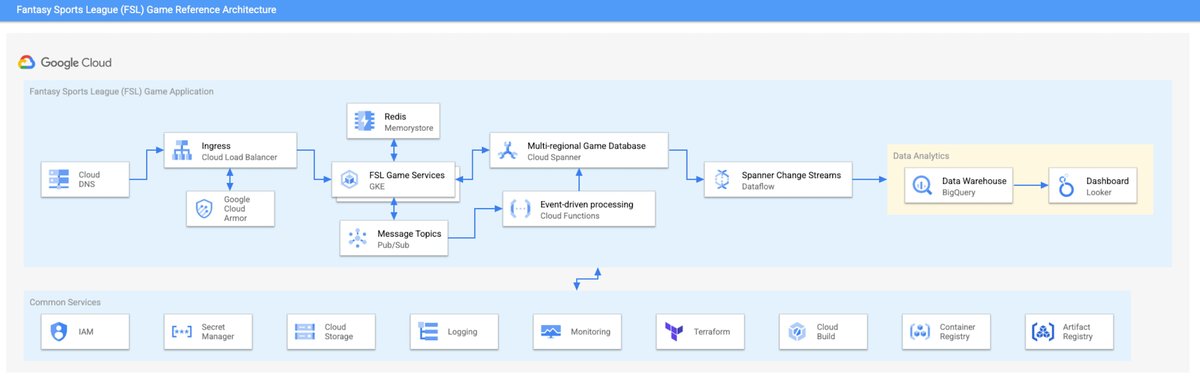
Imagine you're deep into a massive open-world RPG, hours of progress under your belt, only to realize you left your save file on your PC while now you're lounging on the couch with your console. Or perhaps you're trying to squad up with friends, only to find you're on different platforms. Frustrating, right? This is precisely where Online Multiplayer & Cloud Save Features step in, transforming gaming from a rigid, device-bound experience into a seamless, interconnected adventure. These powerful capabilities ensure your progress follows you and your friends are never out of reach, no matter where or how you play.
At a Glance: Your Gaming, Unlocked
- Cloud Saves: Automatically store your game progress on remote servers, freeing you from a single device.
- Cross-Progression: Continue your game, achievements, and unlocks seamlessly across multiple devices and platforms (PC, console, handheld).
- Online Multiplayer: Play with friends and other gamers, often across different platforms, connecting communities.
- Key Benefits: Uninterrupted gameplay, peace of mind from data loss, and expanded social interaction.
- Watch Out For: Potential compatibility issues, storage limits, and the crucial need for a stable internet connection.
The Gaming Revolution: How We Got Here
Not so long ago, losing a game save was a rite of passage for many gamers. Corrupted hard drives, forgotten USBs, or simply upgrading your PC meant starting fresh. Online multiplayer was often restricted to specific consoles or PC servers, creating walled gardens within the gaming community.
But the digital landscape changed dramatically. With the rise of broadband internet, sophisticated server infrastructures, and the demand for persistent online worlds, game developers and platform holders began to invest heavily in cloud-based solutions. This evolution saw game data upload from your device to a cloud storage server, often with a timestamp, then sync to any other connected device signed into the same user account. Early iterations focused on platform-specific backups (think Xbox Live or PlayStation Plus saving your games), but by the mid-2020s, this technology matured into comprehensive cross-progression systems. These systems now support broad compatibility across Windows, MacOS, Linux, and even handheld devices like the Steam Deck, making the dream of truly uninterrupted gameplay a reality.
Your Progress, Anywhere: The Power of Cloud Saves
At its heart, cross-platform cloud saving is about liberation. It's the technology that stores your game progress on remote servers, letting you access and continue your games seamlessly across multiple devices and platforms without losing a single item or quest completion. This means no more frantic manual transfers, no more choosing between your console and PC—just pure, uninterrupted gameplay.
What Makes It Tick: The Mechanism Behind Seamlessness
When you play a game with cloud save support, a small, yet powerful, process is constantly working in the background. As you reach a new checkpoint or manually save, that game data isn't just sitting on your local hard drive. Instead, it’s compressed, encrypted, and uploaded to a secure cloud storage server. This server notes a timestamp, ensuring that the most recent version of your game progress is always stored.
Then, when you switch to a different device—say, moving from your PC to your Steam Deck—and launch the same game while logged into the same user account, that device checks the cloud server. It downloads the latest save file, effectively picking up exactly where you left off. Conflict resolution systems are often in place, comparing timestamps or user preferences to prevent data loss if, by some chance, there are discrepancies between local and cloud saves. This elegant dance of uploading and syncing ensures your gaming journey is always up-to-date and accessible.
Core Benefits: Why You Can’t Game Without Them
The advantages of robust cloud save and cross-progression systems are profound, touching every aspect of the gaming experience:
- Truly Seamless Gaming: This is the big one. Whether you're moving from a powerful gaming PC to a handheld device like the Nintendo Switch, or from an Xbox Series X to a PlayStation 5 (for games that support it), your progress transfers instantly. No manual copying, no downtime, just continuous enjoyment.
- Peace of Mind & Data Security: Say goodbye to the anxiety of a hard drive crash or accidentally deleting a save. Your progress is backed up remotely, safe from local hardware failures. While not impervious to all threats, well-implemented cloud systems offer a robust layer of protection.
- Cross-Progression: Your achievements, unlocked items, character levels, and mission progress synchronize across all your devices. This isn't just about save files; it's about your entire game history and profile being consistent wherever you play.
- Wider Audience for Developers: For game creators, these features expand their reach dramatically. Players are more likely to invest time and money into a game they know they can play anywhere, on any device they own, fostering increased engagement and long-term retention.
- Platform Transfer: Thinking of switching from one console generation to the next, or perhaps considering if you should get PlayStation Plus? Cloud saves often make this transition incredibly smooth, letting you carry your gaming legacy forward.
Uniting Gamers: The Magic of Online Multiplayer
While cloud saves protect your personal journey, online multiplayer connects you to a global community. Whether you’re diving into competitive esports, exploring vast cooperative worlds, or simply challenging a friend to a quick match, online multiplayer features are the social glue of modern gaming.
Cross-platform multiplayer, in particular, has broken down the barriers that once separated players by their chosen hardware. No longer are PC gamers segregated from console players in many popular titles. This inclusivity dramatically expands the player pool, ensures shorter matchmaking times, and allows friends to play together regardless of their preferred device.
The Roadblocks: Challenges and Limitations
Despite their immense benefits, cloud save and online multiplayer features aren't without their complexities. Understanding these challenges can help you navigate your gaming experience more smoothly.
Data Security & Privacy Risks
Storing your personal game data on remote servers inherently carries risks. While developers and platform holders employ robust encryption and security protocols, the possibility of data breaches or unauthorized access always exists. This necessitates strong data protection measures, including multi-factor authentication for your accounts, and compliance with global data protection laws like GDPR.
Compatibility Conundrums
The gaming ecosystem is incredibly diverse, featuring varied file formats, operating systems, and cloud infrastructures. This patchwork can sometimes lead to:
- Save File Corruption: A save file designed for one system might behave unexpectedly or become corrupted when transferred to another.
- Loss of Progress: Older games or those with exclusivity deals might lack full cross-save support, meaning your progress is locked to a single platform.
- Platform-Specific Restrictions: Services like Steam Cloud are primarily for PC, Xbox Play Anywhere works specifically for Xbox and Windows, and PlayStation's cloud system is proprietary. Mobile games often rely on third-party services like Google Play Games or Apple Game Center, or in-game publisher accounts.
Storage Space & Internet Dependence
Most cloud services offer limited storage space, especially for free tiers. You might find yourself needing to manage your save files, deleting old ones or upgrading to a paid subscription for more room. Furthermore, a stable, fast internet connection is non-negotiable for both uploading and downloading save data, as well as for any online multiplayer session. Slow or intermittent connections can cause synchronization delays, lead to corrupted saves, or result in frustrating lag in multiplayer games.
Network Latency
For both cloud saves and online multiplayer, network latency (the delay in data transmission) can be a silent killer of good experiences. While not always directly apparent with cloud saves, high latency can cause synchronization failures or delays. In multiplayer, it manifests as "lag," making games unplayable and competitive scenarios unfair.
Bringing it to Life: How Developers Implement These Features
For developers, integrating seamless online multiplayer and robust cloud save functionalities is a significant undertaking, requiring careful planning and technical expertise.
- Selecting Cloud Services: The choice of backend is critical. Developers consider cross-platform support, data security (encryption is paramount), storage limits, cost, and scalability. Options range from platform-specific services like Steam Cloud, Xbox Cloud Storage, and PlayStation Cloud to general cloud providers like Firebase or AWS.
- Integrating APIs/SDKs: This involves connecting the game to platform-specific Application Programming Interfaces (APIs) or Software Development Kits (SDKs). These tools handle the nitty-gritty of uploading, downloading, and managing data. Key implementations include:
- User Authentication: Securely verifying player identity across platforms.
- Save Conflict Resolution: Implementing logic to determine the "correct" save file (e.g., using timestamps or version checks) when a conflict arises.
- Automatic Syncing: Ensuring saves are uploaded and downloaded seamlessly in the background.
- Thorough Cross-Device Testing: Rigorous testing is essential to ensure compatibility and stability across all supported devices and operating systems.
- Managing Platform-Specific Nuances: Developers must account for the unique restrictions and capabilities of each platform. For example, a game might use Steam Cloud for its PC version, Xbox Cloud for its console counterpart, and a custom solution for its mobile version, all while trying to maintain cross-progression across them.
Your Turn: Setting Up Cloud Saves (Player's Guide)
For players, enabling and managing cloud saves is usually straightforward. Here’s a quick guide for major platforms:
PlayStation 4/5
- Go to Settings > System > Cloud Storage.
- Ensure you are signed in to PlayStation Network.
- Automatic uploads are usually enabled by default if you have a PlayStation Plus subscription. You can manually manage saves if needed.
Xbox (Xbox One, Series X/S)
- Go to Settings > System > Storage.
- Select "Cloud Saved Games". Xbox generally handles cloud saves automatically as long as you're online and signed into your Xbox account. No specific "enable" button is usually needed.
Nintendo Switch
- From the HOME Menu, go to System Settings > Data Management > Save Data Cloud.
- Select the game you wish to manage and ensure "Automatic Save-Data Backup" is enabled. A Nintendo Switch Online subscription is required for cloud saves.
Steam (PC, Steam Deck)
- Open Steam and go to Settings > Cloud.
- Ensure "Enable Steam Cloud synchronization for games that support it" is checked.
- You can also right-click a specific game in your Library, go to Properties > General, and check "Steam Cloud" there.
Level Up Your Experience: Actionable Insights & Best Practices
Understanding how cloud saves and online multiplayer work is one thing; leveraging them effectively is another. Here’s how to maximize your gaming experience and avoid common pitfalls.
Seamless Cross-Device Play
- Consistent Account: Always sign in with the same user account on all devices where you intend to play. Your progress is tied to your account, not just the device.
- Verify Cloud Save Enablement: Double-check that cloud saves are enabled in the game’s settings and your platform’s system settings on all devices. Don't assume.
- Allow Sync Time: Before launching a game on a new device, give it a moment to connect to the internet and download the latest save data. Similarly, before shutting down a device, ensure the latest save has fully uploaded.
Tackling Platform Transfers & Cross-Play
- Link Accounts: For games that offer cross-platform progression, you'll often need to link your platform-specific accounts (e.g., your PlayStation Network ID, Xbox Gamertag, and Steam account) to a central game publisher account. Do this through the game’s in-game menu or the publisher’s website.
- Check Game Support: Not all games support cross-platform saves or multiplayer. Always verify this before purchasing or attempting to transfer. Game developers and community wikis are excellent resources.
- Communication is Key: If you’re trying to play online multiplayer with friends on different platforms, ensure everyone has updated their game, understands the cross-play settings, and is using the correct game version.
Smart Storage Management
- Monitor Space: Keep an eye on your cloud storage usage, especially if you play many games or have large save files. Most platforms provide an overview of your consumed space.
- Delete Old Saves: If a game offers multiple save slots or you’re finished with a game, consider deleting old or irrelevant save files to free up space.
- Understand Versioning: Some cloud services offer save file versioning, allowing you to restore to an earlier state if a newer save becomes corrupted. Learn how to use this feature if available.
Troubleshooting Sync Issues
- Check Internet Connection: The most common culprit. Ensure a stable and strong internet connection on all devices.
- Confirm Cloud Save Settings: Re-verify that cloud saves are enabled both at the system level and within the game’s settings on every device.
- Restart & Retry: Sometimes, a simple restart of the game or even the device can resolve a temporary sync glitch.
- Verify Game Files: On PC platforms like Steam, you can often verify the integrity of game files, which can fix issues related to corrupted local data preventing proper syncing.
Resolving Data Loss or Conflicts
- Identify the Conflict: If a conflict arises (e.g., two different saves for the same game from different devices), the system will usually prompt you to choose which version to keep. Pay close attention to timestamps to select the most recent or desired save.
- Restore from Backup: If data loss occurs, check if your platform offers a way to restore from a previous cloud save version. Some games also maintain local backups.
- Contact Support: If all else fails, reach out to the game publisher's or platform's support team. Provide as much detail as possible about the issue, including timestamps and actions taken.
Account Maintenance & Security
- Regular Backups: While cloud saves are great, consider making local backups of critical save files occasionally, especially for games with complex modding or if you're particularly worried about losing progress.
- Secure Passwords & 2FA: Use strong, unique passwords for your gaming accounts and enable two-factor authentication (2FA) wherever possible. This is your first line of defense against unauthorized access.
- Monitor Account Activity: Regularly check your account activity for any suspicious logins or unusual game play.
What's Next: The Future of Connected Gaming
The evolution of Online Multiplayer & Cloud Save Features is far from over. Expect these technologies to become even more ingrained in the gaming experience, pushing the boundaries of what’s possible.
- AI-Driven Optimizations: Artificial intelligence could soon optimize when and how save data is uploaded and downloaded, predicting user behavior to minimize latency and ensure seamless transitions without manual intervention.
- Edge Computing & 5G: These advancements promise to significantly reduce network latency. Edge computing brings data processing closer to the user, while 5G offers ultra-fast wireless connections, both leading to near-instantaneous syncs and even smoother online multiplayer experiences.
- Simplified Development: Cloud backend services like AWS Amplify and Firebase are continually simplifying the integration process for developers, allowing them to focus more on game creation and less on infrastructure.
- IoT Integration: Imagine starting a game on your console, continuing on your tablet, and then having aspects of your game world visible or controllable through smart devices in your home. Integration with the Internet of Things (IoT) could expand cross-device syncing to an even broader range of connected devices.
- Standard Expectation & Monetization: Cloud saves and cross-progression are rapidly becoming a standard expectation rather than a premium feature. This influences monetization models, encouraging subscription services and fostering deeper integration across digital ecosystems, all while demanding stricter compliance with privacy regulations globally.
Your Gaming Journey, Without Limits
Online multiplayer and cloud save features aren't just technical bells and whistles; they're foundational pillars of modern gaming. They empower you to play what you want, where you want, with whom you want, offering unparalleled flexibility and peace of mind. By understanding how these systems work and employing a few best practices, you can ensure your gaming journey remains as expansive and uninterrupted as the digital worlds you explore. So, next time you jump between devices or invite friends to your game, remember the intricate dance of data that makes it all possible—and enjoy the freedom it brings.